I fell in love with Arsenal F.C. in 1993. I was eight years old.
It wasn't one thing. It was all of it at once. The cannon on the badge. The JVC sponsor sitting in the middle of the shirt. The marble halls at Highbury. Floodlights over the North Bank. Tony Adams chest out at the back shouting orders. Ian Wright celebrating like the goals belonged to him personally. The yellow and navy "Bruised Banana" shirt cutting across the pitch under the lights. Two cup finals at Wembley in five days. Arsenal becoming the first club since Preston North End's original Invincibles to win both domestic cups in the same season.
I could not have explained why any of it mattered. I only knew that it did.
What I was seeing, though I did not yet have the language for it, was a brand in its truest sense. Not a logo. Not a badge. A culture. Typography, colour, memory, architecture, songs, rituals, people, moments—decades of meaning held together tightly enough that even a child could recognize it instantly and feel something real.
Years later, at university, I read John Berger's Ways of Seeing and finally understood what had been happening. Berger wrote that seeing is never passive: what we notice is shaped by what we already know, what we believe, and what we have been trained to recognize. Long before I understood design, I had already been training my eye.
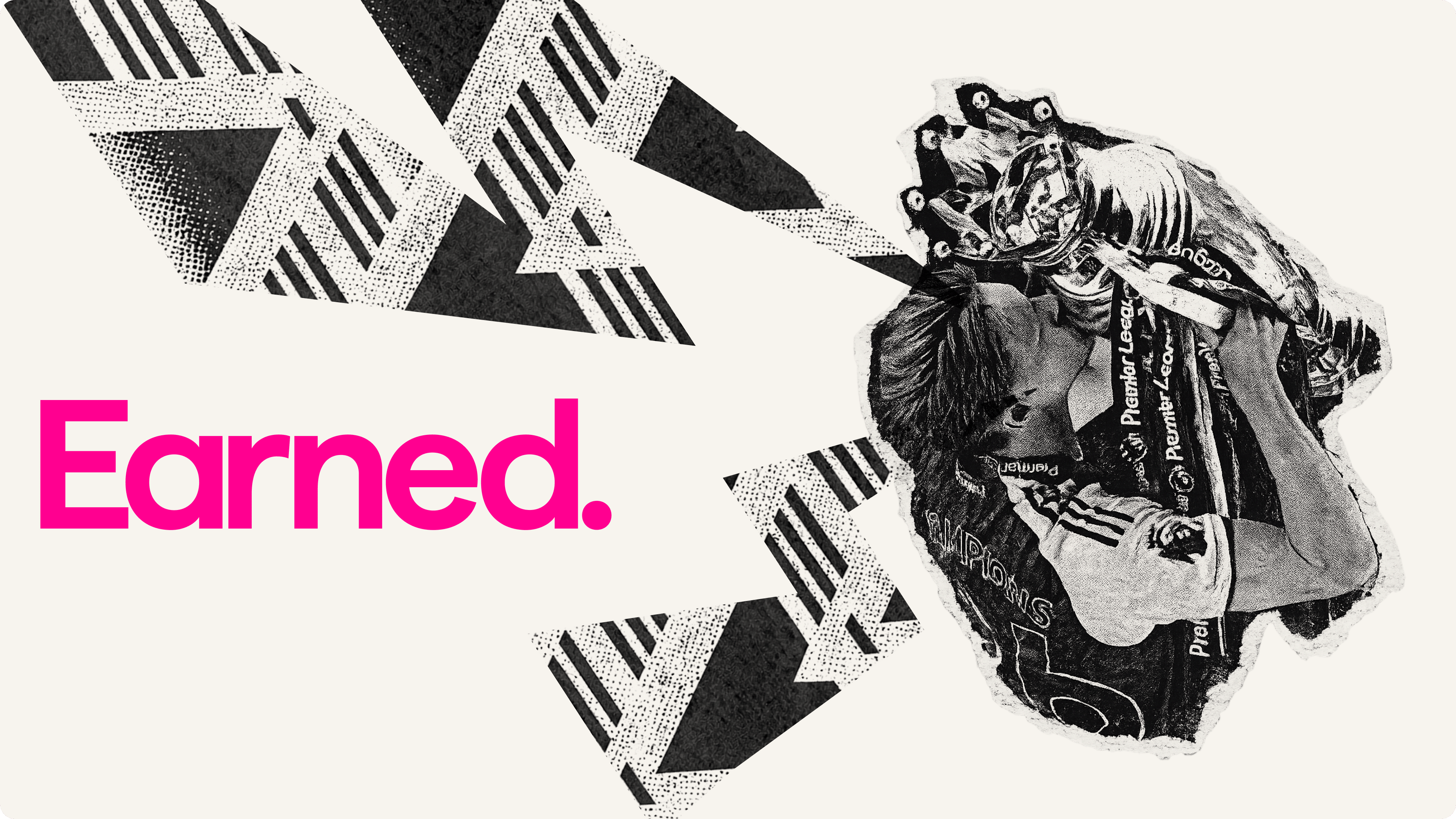
That thought has stayed with me through 22 years of design and creative direction. But my mind has been on Arsenal more than usual lately, because we have just won the Premier League after more than two decades. The last time Arsenal won it, I was at university reading Berger. This time, I am old enough to understand something I could not have articulated back then: institutions do not survive as cultural forces because of results alone. They survive because meaning compounds over time. Memory compounds. Identity compounds.
And increasingly, that feels like the real question underneath the AI conversation too.
The ground has shifted.
For most of modern creative work, making was the bottleneck. Skill was scarce. Software was difficult. Teams were expensive. Time mattered. If something looked polished, there was a reasonable chance somebody had spent serious time thinking about it. That relationship has broken.
AI can generate finish without thought, surface without substance, confidence without judgement. Work that once required a week, a team and a developed craft vocabulary can now be assembled in minutes by someone who has never opened Figma. This is genuinely exciting. It is also the most important shift our industry has faced in decades, because it changes what is actually valuable.