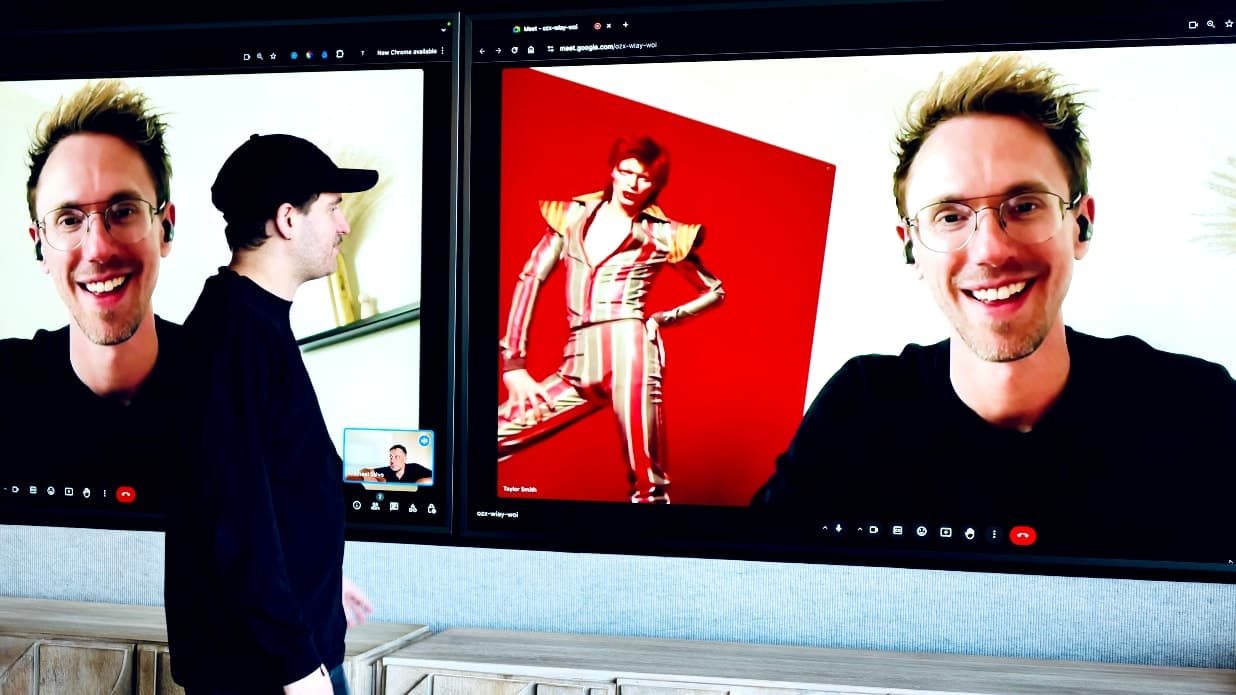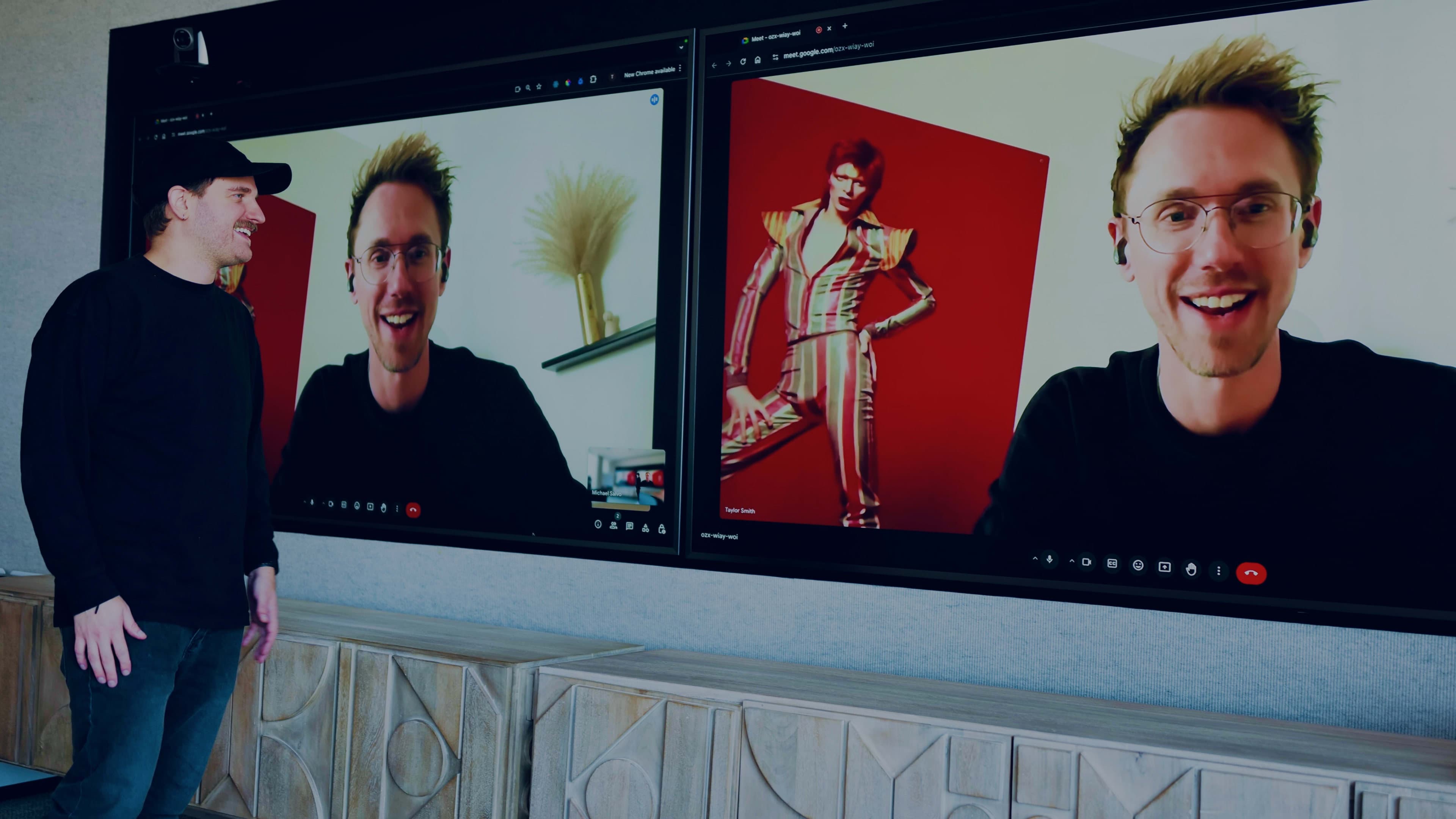
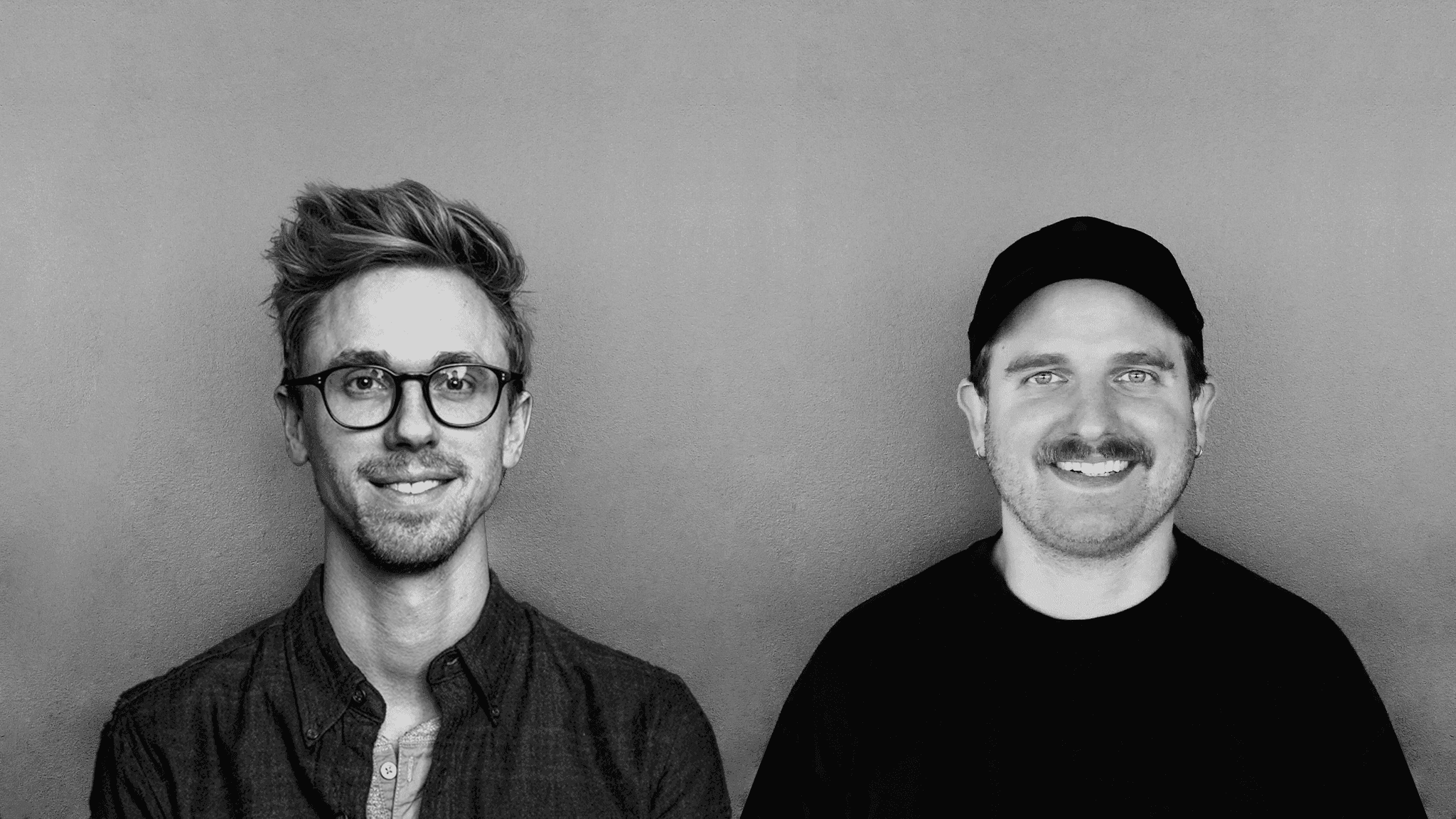
Tradd Salvo and Taylor Smith have to do some collective thinking to remember the exact project they first worked on together. It’s not that it wasn’t memorable—more that their mutual connection and ways of working have turned into a fluid conversation, marked by sending each other large documents highlighted with their findings and short online conversations in which they rapidly discuss insights and discard the ideas that lead nowhere. Their connection has become a template for how data and strategy can work as a unified craft to create innovative and growth-driving digital experiences.
The Makers.
Taylor Smith: I'm a Group Director of Strategy based out of Toronto, and I’ve been at Huge for six years. Before that, I worked as a strategist for creative agencies, a professor of marketing, and a product and graphic designer.
Tradd Salvo: I'm VP of Analytics, and I'm based out of Brooklyn. I've been here for three years, and in the industry for 10 years around all types of media shops, from creative agencies to experiential shops.
The partnership.
Tradd Salvo: Taylor was the first brand strategist I got to work with at Huge. Right after meeting each other, we started talking about how analytics and data capabilities can work with strategy, and how strategy can work with data capabilities—two disciplines that complement each other but are usually treated as silos in most agencies. I think that’s important about this story, and part of the reason why Taylor and I got off to a good start in our working relationship.
Traditionally, there's this “baton” system, where people pass the baton from strategy to analytics, back and forth, and no one's really collaborating. People are just filling in the gaps of the story, and either a strategist will take a lead and write the entire strategy and then call over for an analytics person to give them some stats, or an analytics person is writing a data story and they'll need a strategist to help them make it more of a formal narrative for clients.
I think the difference between us was that we respect each other's crafts, but it’s truly a blurred relationship between our ways of working and working styles. Perhaps because we come from a creative agency background, Taylor was cool with me writing strategy, and I was cool with Taylor doing analysis. We didn’t have hard lines: we just got a brief and were trying to solve a problem together; and we worked off each other's strengths, while also allowing the other to come into our worlds to flesh this thing out.