Perhaps the greatest entertainment marketing moment last year revolved around an unlikely subject: a Zoom call. And then came the blimps, a Wheaties box, an unlikely rap collaboration, and ultimately, ping pong balls. If you know, you know. If not, you may have to ask someone.
Welcome to the next generation of entertainment marketing. An era where the message is as enigmatic as it is memorable, where lore-building supplants brand-building, seamless consumer journeys are replaced with digital scavenger hunts, and organic long-form content is king.
As we explored in our previous article, the gaming industry is stubbornly attached to a playbook built in a bygone era that is at odds with today’s always-on, social-first, and creator-led ecosystem.
Whereas the old playbook talks at fans, gatekeeps information, and is fixated on milestones, the new playbook must become participatory, scale community, and decouple itself from traditional milestones.
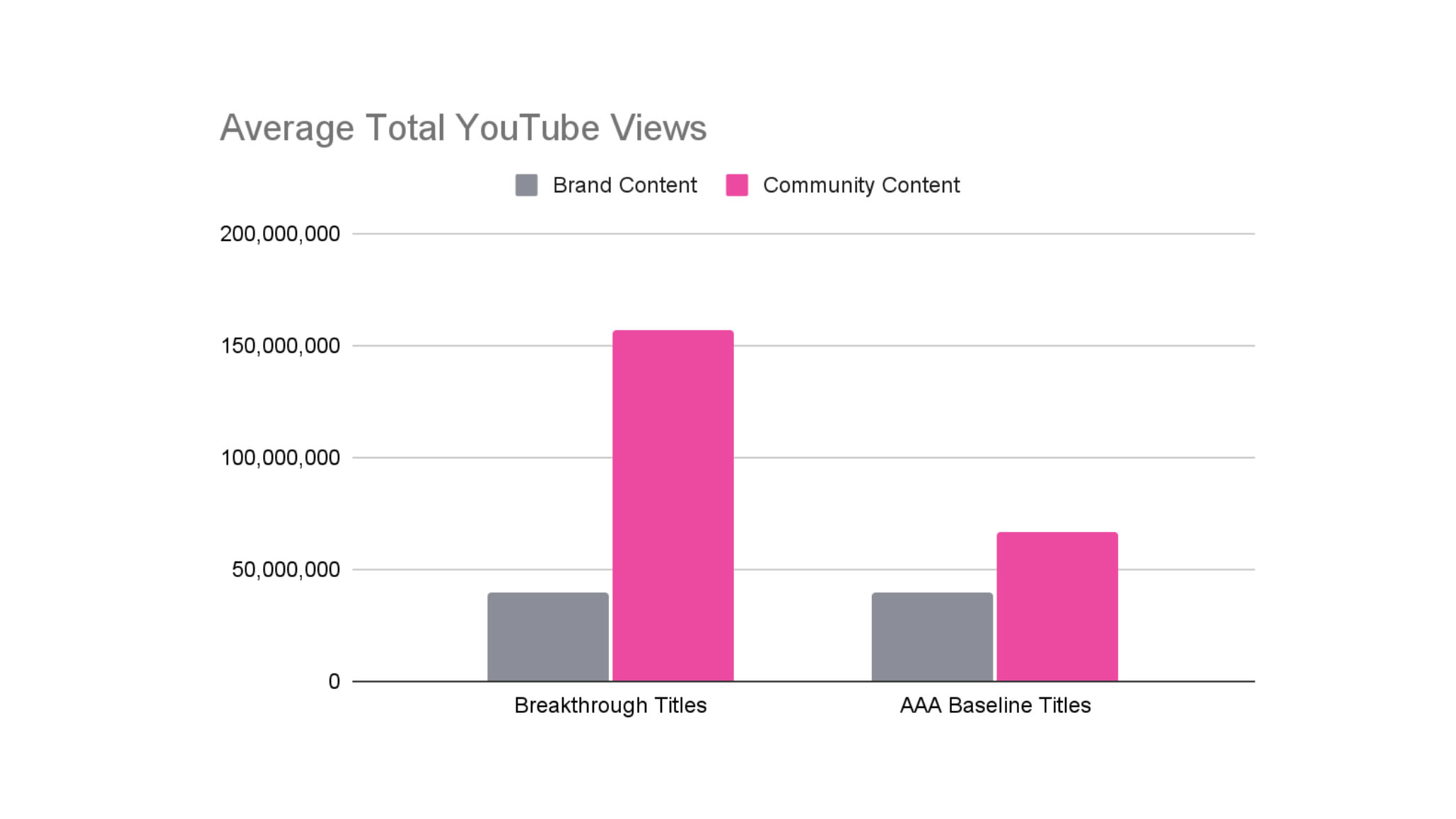
Chart: Breakthrough marketers see nearly x2 more total YouTube views than legacy marketers because of creators.
Source: Huge Live .
The culture marketing flywheel.
But how can marketers bring these principles into their campaigns? To answer that question, we’ve reverse engineered dozens of campaigns from the most innovative marketers in entertainment including the likes of A24, Riot, Netflix, indies like Balatro, and mainstream phenoms like Brat.
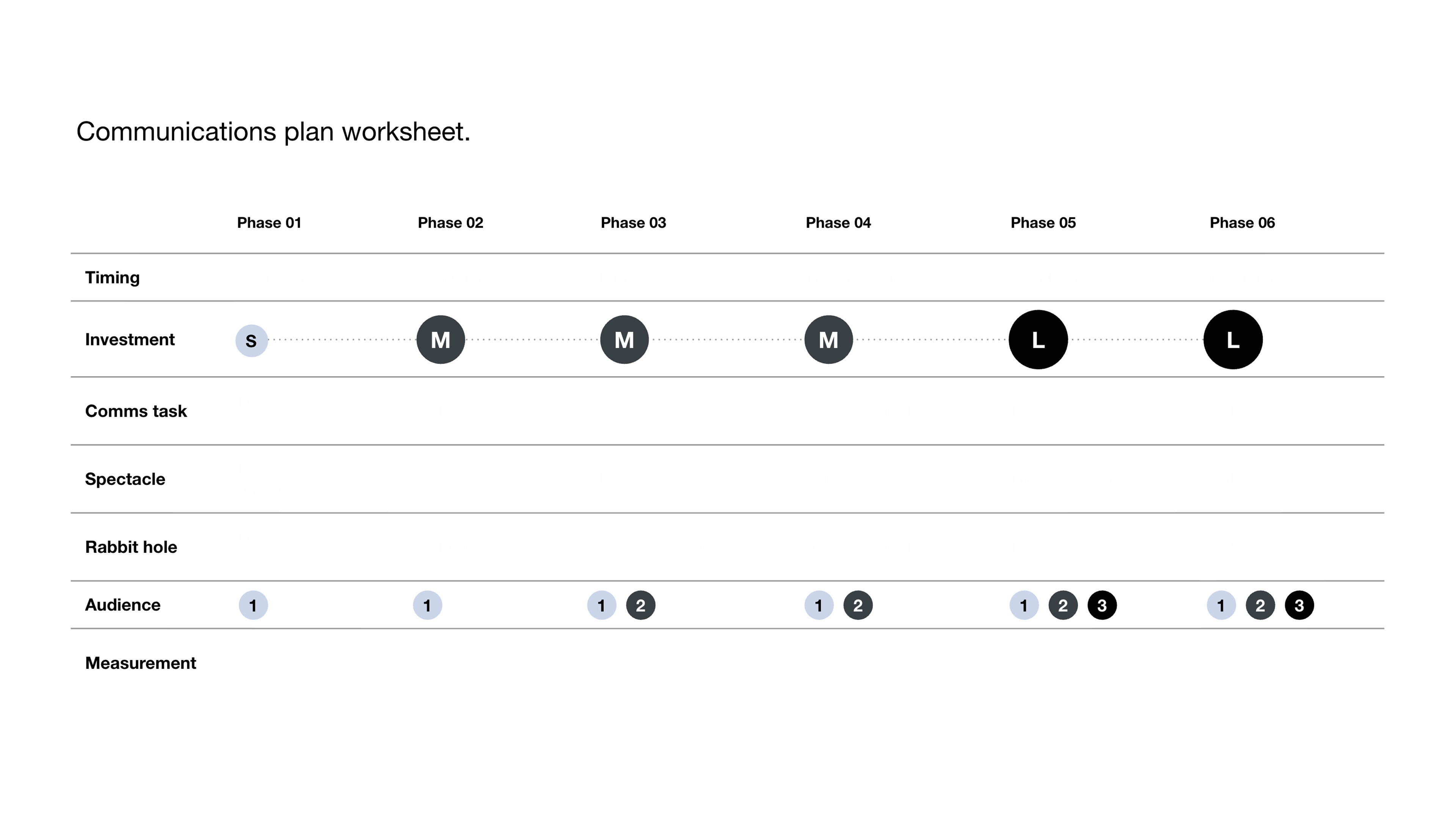
The result is a new framework for campaign planning that is built from the periphery of entertainment and video game marketing. We call it the culture marketing flywheel.