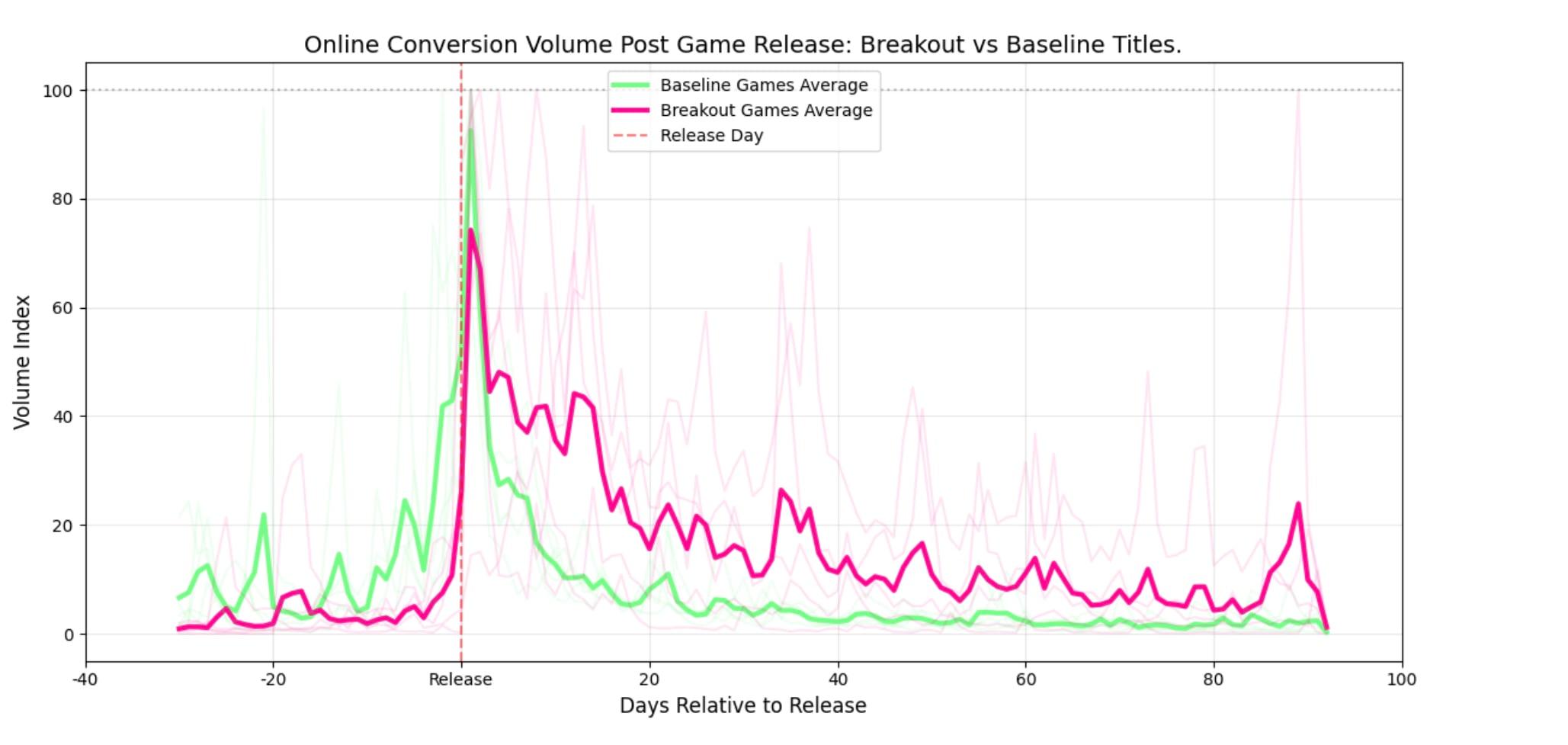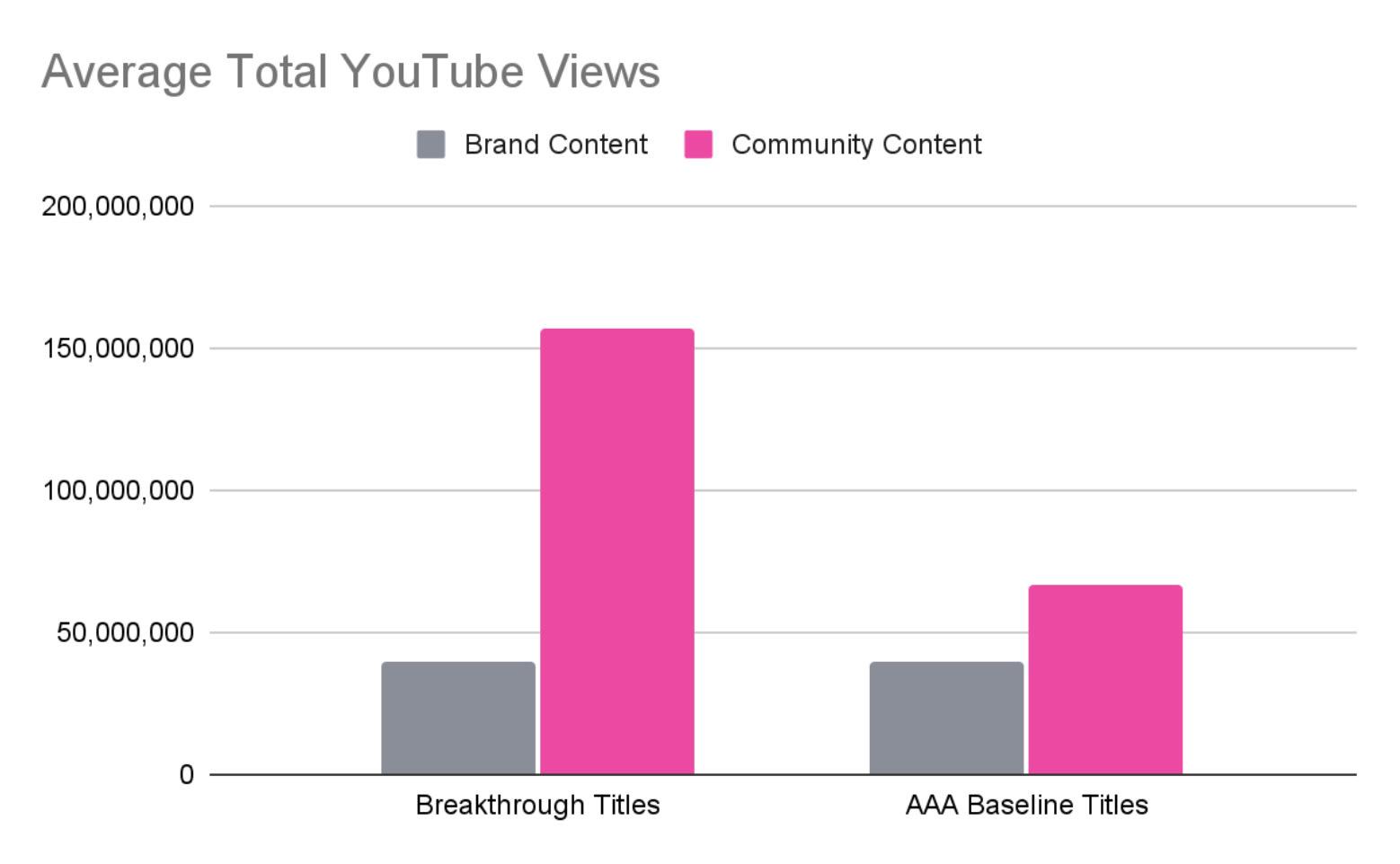
Earlier in 2025, our team started talking about a new game called R.E.P.O. Hilarious, chaotic, and soundbite-worthy, clips of the game trended on platforms like TikTok and YouTube. Popular streamers began playing the new game, introducing it to millions of new players.
And it has yet to be released. R.E.P.O remains in early access under development by a small studio. At its peak, R.E.P.O commanded a concurrent player count of 270,000 players on Steam (for comparison, Battlefield 6 had 140,000 last weekend). Eight months later, the player count spiked again to just under 200,000 concurrent players following a new update.
R.E.P.O. represents just one of many potent examples of how the player purchase journey has fundamentally shifted in the era of digital distribution, social discovery and creator-led gaming culture.
The challenge is that the video gaming industry remains stubbornly attached to a marketing playbook built in a different era. In a market characterized by an oversaturation of new titles, sluggish post-pandemic growth, and escalating production costs, adapting to today’s landscape will be critical for new titles to break through.
The old playbook.
The legacy games marketing playbook is predicated on physical scarcity that no longer exists, namely the distribution of physical copies through physical retail. Those limitations shaped a playbook that is characterized by:
A fixation on release date.Campaigns take a singular focus on and typically conclude soon after the game is released, leaving it all on the field. This evokes memories of players lined up the night before release day at GameStop but is at odds with today’s always-on digital distribution and social discovery.
One-directional communications. Campaigns take a one-dimensional approach, carefully gatekeeping the release of new information, and often struggling to understand how to effectively engage players and creators in the process.
Traditionalist asset mix. While marketers from other industries have since shifted from long-form video to more hybrid and digitally-native assets, the gaming industry is still predominantly reliant on costly video game trailers.
The emerging landscape.
In contrast to this legacy playbook, a dynamic and vibrant gaming ecosystem has since emerged resulting in a fundamentally different purchase journey for players: